
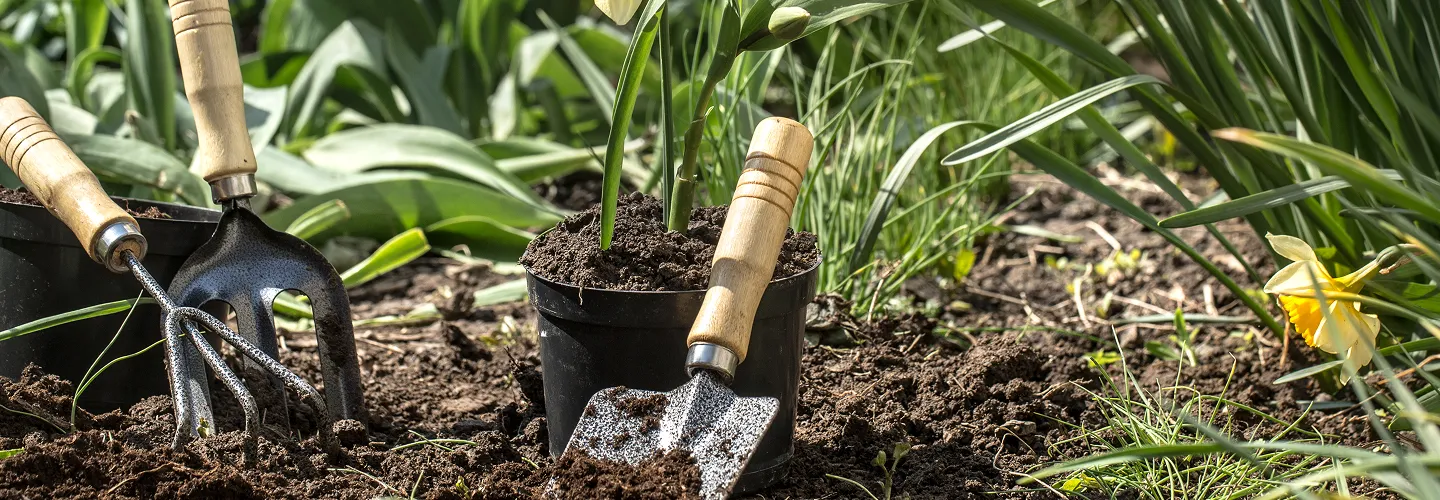
Winnetka Lawn Grubs Control Services
Choose our expert Lawn Grubs Control for proven, long-lasting protection and a healthier, greener lawn—trusted by Winnetka homeowners for effective, eco-friendly solutions.
Get a Free QuoteOur Winnetka Landscaping & Yard Care Services
When to Schedule Lawn Grubs Control in Winnetka, IL – Seasonal Guide
In Winnetka, IL, the optimal time to schedule lawn grubs control is typically late spring through early summer, when grubs are most vulnerable and before they cause significant damage to your turf. The local climate, characterized by cold winters and humid summers, means that soil temperatures and moisture levels play a crucial role in grub activity. Neighborhoods near the Skokie Lagoons or shaded areas like those around Crow Island Woods may experience different grub pressures due to varying soil types and tree coverage.
It’s important to consider local environmental factors such as the average last frost date, which in Winnetka usually falls in late April, and the risk of summer droughts that can stress lawns and make them more susceptible to grub infestations. Areas with dense tree canopies, like those found in Indian Hill Estates, may retain more moisture and shade, influencing both grub development and the effectiveness of control treatments. For more information on local environmental programs and best practices, visit the Village of Winnetka Official Website.
Local Factors to Consider for Lawn Grubs Control in Winnetka
- Tree density and shade coverage, especially in neighborhoods with mature urban forests
- Soil type and drainage, which can vary between lakefront properties and inland areas
- Seasonal precipitation patterns and risk of drought
- Proximity to parks, natural areas, or water features like the Skokie Lagoons
- Municipal restrictions or guidelines on pesticide use
- Recent weather events, such as heavy rains or late frosts
- Terrain and lawn slope, which affect water retention and grub movement
Benefits of Lawn Grubs Control in Winnetka
Expert Lawn Grub Removal
Eco-Friendly Treatment Options
Improved Lawn Health
Prevention of Turf Damage
Experienced Landscaping Professionals
Customized Grub Control Plans
Winnetka Lawn Grubs Control Types

Preventative Grub Treatments
-
Curative Grub Control
-
Organic Grub Management
-
Biological Grub Control
-
Chemical Insecticide Application
-
Nematode-Based Solutions
-
Seasonal Lawn Monitoring
Our Lawn Grubs Control Process
Inspection and Identification
Customized Treatment Plan
Targeted Application
Monitoring and Follow-Up
Why Choose Winnetka Landscape Services
-
Winnetka Homeowners Trust Us
-
Expert Lawn Maintenance
-
Reliable Seasonal Cleanup
-
Competitive Pricing
-
Professional Team
-
Satisfaction Guarantee
-
Personalized Service
Contact Winnetka's Department of Public Works for Grub-Damaged Turf Disposal & Treatment Debris Management
Proper disposal of grub-damaged turf, infested thatch, and soil plugs is essential for preventing further pest spread and complying with Illinois' yard waste landfill ban. Winnetka's Department of Public Works operates a seasonal yard waste collection program, requiring residents to use biodegradable paper bags or participate in loose collection as specified by local guidelines. Post-treatment debris, such as removed turf and soil amendments, should be coordinated for pickup or taken to the Transfer Station/Recycling Center, which may require a permit and fee. Pesticide containers must be triple-rinsed and disposed of through household hazardous waste events, never in regular trash or recycling, in accordance with Illinois EPA regulations. It is strictly prohibited to dispose of any treatment debris in streets, gutters, or storm drains to avoid NPDES violations and protect local water quality.
Winnetka Public Works Department
1390 Willow Road, Winnetka, IL 60093
Phone: (847) 716-3568
Official Website: Winnetka Public Works Department
Understanding Grub Species & Life Cycles in Winnetka's Prairie Clay & Glacial Till Soils & Climate Zone 5b
Winnetka's lawns are affected by several white grub species, each with unique life cycles and management implications. Common species include:
- Japanese Beetle (Popillia japonica): C-shaped larvae, 1-year life cycle, adults emerge June-July
- European Chafer (Rhizotrogus majalis): Similar larvae, adults emerge May-June
- May/June Beetles (Phyllophaga spp.): 2-3 year life cycles, common in Illinois
- Masked Chafer (Cyclocephala spp.): Smaller larvae, different feeding patterns
- Annual White Grubs: Varying by region Adults lay eggs in June-August, with larvae developing through summer and overwintering as 2nd/3rd instars in Winnetka's deep clay soils (36-48 inch frost line). Heavy clay retains moisture, supporting egg survival but can limit natural predator access. Thatch accumulation and irrigation during hot summers create favorable conditions. For species confirmation, consult the University of Illinois Extension Plant Clinic.
Professional Grub Identification & Economic Threshold Assessment for Winnetka Properties
Accurate diagnosis is critical for effective grub management. Assessment procedures include:
- Visual inspection for irregular brown patches and spongy turf (late summer/fall)
- Pull-test for loose turf sections
- Systematic soil sampling (1-foot square, 3-4 inches deep) for grub counts and species ID (raster patterns, head capsule size) University of Illinois Extension guidelines recommend treatment at 6-10 grubs/sq ft in standard turf, or 3-5 grubs/sq ft in low-cut or animal-damaged areas. Differential diagnosis is important to distinguish grub damage from drought, disease, or chemical injury. Optimal assessment timing is late summer (August-September) for current larvae and early spring (April-May) for overwintering populations, with soil temperature and moisture considered for accurate sampling.
Winnetka Environmental Compliance Requirements for Grub Control Near Protected Areas
Grub control near Winnetka's streams, wetlands, and Lake Michigan shoreline requires strict adherence to environmental regulations. Coordination with the Illinois Department of Natural Resources and Illinois EPA is necessary for applications near protected areas, including buffer zone management and drift prevention. Seasonal restrictions may apply during wildlife breeding (April-July). Groundwater and surface water protection protocols are essential, especially near municipal wells. Selective product choice and application timing help protect pollinators, supporting initiatives like the Illinois Monarch Project. Immediate site stabilization, such as erosion control and prompt revegetation, is required to prevent soil loss in clay soils. Permit coordination and documentation are mandatory for sensitive sites.
Winnetka Community Development Department
510 Green Bay Road, Winnetka, IL 60093
Phone: (847) 716-3520
Official Website: Winnetka Community Development Department
Illinois Pesticide Regulations & Professional Licensing for Grub Control Services
All commercial grub control in Winnetka must comply with Illinois Department of Agriculture regulations. Applicators require Category 3b Turf & Landscape licensing, which involves passing a certification exam covering grub biology and IPM. Continuing education is required for license renewal. Federal EPA registration and restricted use pesticide (RUP) protocols apply for certain products (e.g., imidacloprid, chlorantraniliprole). Applicators must maintain commercial liability and environmental impairment insurance, and keep detailed application records (weather, rates, target species, monitoring results). Adverse incidents must be reported to the Illinois Department of Agriculture and Illinois EPA. For more information, visit the Illinois Environmental Protection Agency and U.S. Environmental Protection Agency, Region 5.
Winnetka Board of Health Guidelines for Safe Pesticide Application & Public Health Protection
The Winnetka Board of Health and Cook County Department of Public Health oversee safe pesticide use to protect residents. Public notification may be required for commercial applications, especially near schools, parks, or sensitive facilities. Setbacks from property lines, wells, and water bodies must be observed. Re-entry intervals (REI) are enforced based on product labels. Protecting children, pets, and sensitive individuals is paramount, with barriers and signage as needed. Emergency procedures for exposure incidents should be coordinated with local medical services. Applicators must use appropriate PPE, calibrate equipment, and follow spill prevention protocols. Post-application monitoring ensures effectiveness and environmental safety.
Cook County Department of Public Health
7556 Jackson Blvd, Forest Park, IL 60130
Phone: (708) 836-8600
Official Website: Cook County Department of Public Health
Integrated Pest Management Strategies: Cultural, Biological & Chemical Controls in Winnetka
Integrated Pest Management (IPM) is the foundation of sustainable grub control in Winnetka. Key strategies include:
- Cultural: Manage irrigation to avoid overwatering in June-August, mow at 3-4 inches, dethatch annually if thatch >0.5 inches, improve soil health with organic matter, overseed with tall fescue blends, and core aerate to relieve clay compaction
- Biological: Apply beneficial nematodes (Heterorhabditis bacteriophora) when soil >60°F in late August/early September, use milky spore for Japanese beetle control, and encourage natural predators
- Chemical: Use preventive products (chlorantraniliprole, imidacloprid) in late June-July, curative treatments (trichlorfon, carbaryl) in August-September, select products based on species and environmental impact, rotate modes of action, and prioritize spot treatments Consult the University of Illinois Extension for detailed IPM guidance.
Seasonal Treatment Calendar & Weather Timing for Winnetka's Growing Conditions
Winnetka's climate (Zone 5b) and weather patterns require precise timing for grub control:
- Late Spring (May-June): Monitor adult beetles, assess previous damage
- Early Summer (June-July): Apply preventive treatments when soil reaches 60-70°F
- Late Summer (August-September): Curative treatments for established larvae
- Fall (October): Final assessment and lawn recovery Coordinate applications with National Weather Service Chicago forecasts for soil moisture, temperature, and rainfall (0.5 inches within 24-48 hours for granular products). Avoid applications during high winds (>10 mph) to prevent drift. Consider urban heat islands, elevation, irrigation, and Lake Michigan's moderating effects when planning treatments.
Stormwater Management & NPDES Compliance During Grub Control Operations in Winnetka
Winnetka participates in the Illinois EPA MS4 program under the federal Clean Water Act, requiring best management practices to prevent insecticide runoff. Applicators must mix and load products away from storm drains, use secondary containment, and respond immediately to spills with absorbent materials. Equipment wash water must not enter municipal systems, and granules should be swept from hardscapes back onto lawns. During lawn renovation, erosion control and sediment barriers are essential, especially in clay soils. These practices protect local water bodies and support Winnetka's sustainability goals. For more information, visit EPA NPDES.
Winnetka Water and Electric Services
1390 Willow Road, Winnetka, IL 60093
Phone: (847) 716-3558
Official Website: Winnetka Water and Electric Services
What Neighborhoods Do We Serve Throughout Winnetka, IL?
Grub management in Winnetka must be tailored to the unique characteristics of each neighborhood:
- Hubbard Woods: Heavy clay soils, mature trees, and proximity to Lake Michigan require enhanced buffer zones and pollinator protection
- Indian Hill: Well-drained glacial till, high irrigation prevalence, and history of Japanese beetle infestations
- East Winnetka: Urban compaction, frequent animal digging, and sensitive water supply protection areas
- Crow Island: Proximity to Crow Island Woods and wetlands, requiring environmental coordination and drift prevention
- The Pines: Mixed clay and sandy soils, HOA landscape standards, and equipment access limitations
- Sheridan Road Corridor: High property values, aesthetic standards, and proximity to parks and recreation areas
- West Winnetka: Larger lots, variable drainage, and history of May/June beetle damage Each area requires consideration of soil type, drainage, irrigation, regulatory sensitivities, grub species, and community standards. Coordination with local agencies ensures compliance and effective management.
Winnetka Municipal Ordinances for Equipment Operation & Commercial Applicator Standards
Winnetka enforces municipal ordinances governing equipment operation and commercial applicator standards. Equipment may only be operated during designated hours to minimize noise and disruption. All commercial applicators must maintain current Illinois Department of Agriculture licensing (Category 3b), carry required insurance, and comply with public safety protocols. Record-keeping, signage, and notification requirements are enforced to protect residents and the environment. For more information on local ordinances and standards, consult the Village of Winnetka Official Website.
By following these comprehensive guidelines, Winnetka residents and professionals can manage grub populations effectively while protecting public health, complying with all regulatory requirements, and supporting the community's environmental stewardship goals.