
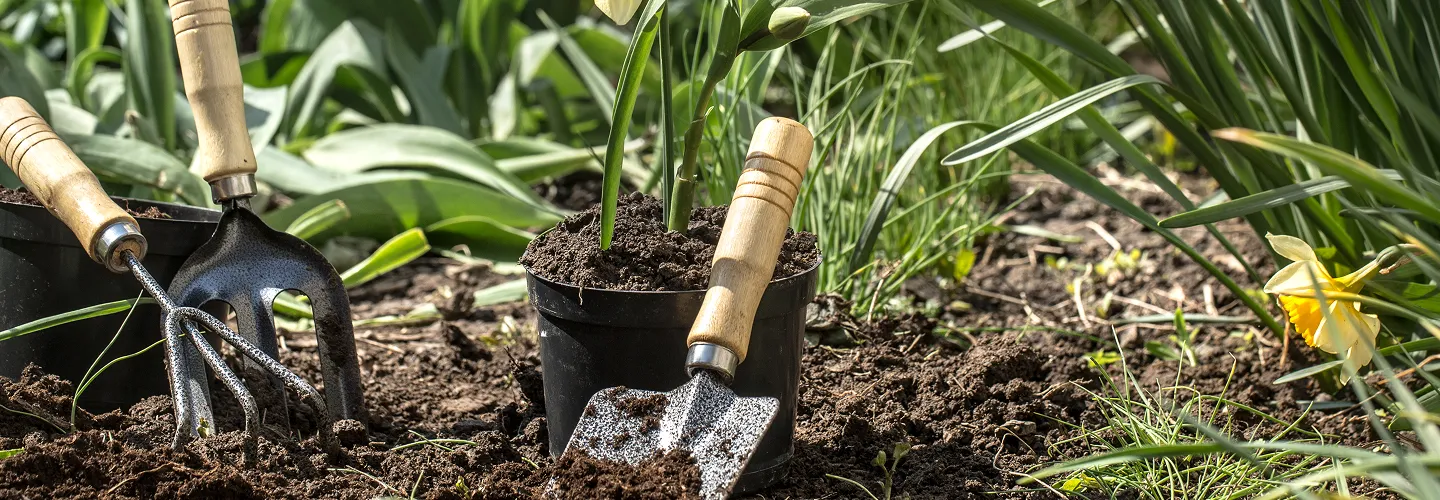
Winnetka Lawn Renovation Services
Choose our expert lawn renovation services for a lush, healthy yard that enhances your home's beauty and value—our experienced team delivers tailored solutions and lasting results you can trust.
Get a Free QuoteOur Winnetka Landscaping & Yard Care Services
When to Schedule Lawn Renovation in Winnetka, IL – Seasonal Guide
In Winnetka, IL, the best times to schedule lawn renovation are typically early fall and late spring. These periods offer optimal soil temperatures and moisture levels for seed germination and root establishment, especially important given the region’s humid continental climate. Early fall, after the last summer heat but before the first frost, is ideal for overseeding and aeration, as the soil is still warm and rainfall is more consistent. Late spring can also be effective, provided you avoid the risk of late frosts and allow new grass to establish before the summer heat sets in.
Local factors such as proximity to Lake Michigan, the mature tree canopy in neighborhoods like Hubbard Woods, and varying soil types from sandy loam near the Skokie Lagoons to denser clay in central Winnetka all influence renovation timing. Homeowners should also consider municipal guidelines and environmental initiatives, which can be found on the Village of Winnetka Official Website, to ensure compliance with local regulations and sustainability practices.
Local Factors to Consider for Lawn Renovation in Winnetka
- Tree density and shade coverage, especially in areas like Indian Hill Estates
- Soil composition and drainage, which can vary between neighborhoods
- Average precipitation and risk of drought during summer months
- Frost dates, typically late October for the first frost and late April for the last
- Terrain and slope, affecting water runoff and soil erosion
- Municipal restrictions or guidelines on watering and chemical use
- Proximity to natural features such as the Skokie Lagoons or Crow Island Woods
Benefits of Lawn Renovation in Winnetka

Enhanced Curb Appeal
Healthier Grass Growth
Weed and Pest Reduction
Improved Soil Quality
Increased Property Value
Customized Landscaping Solutions
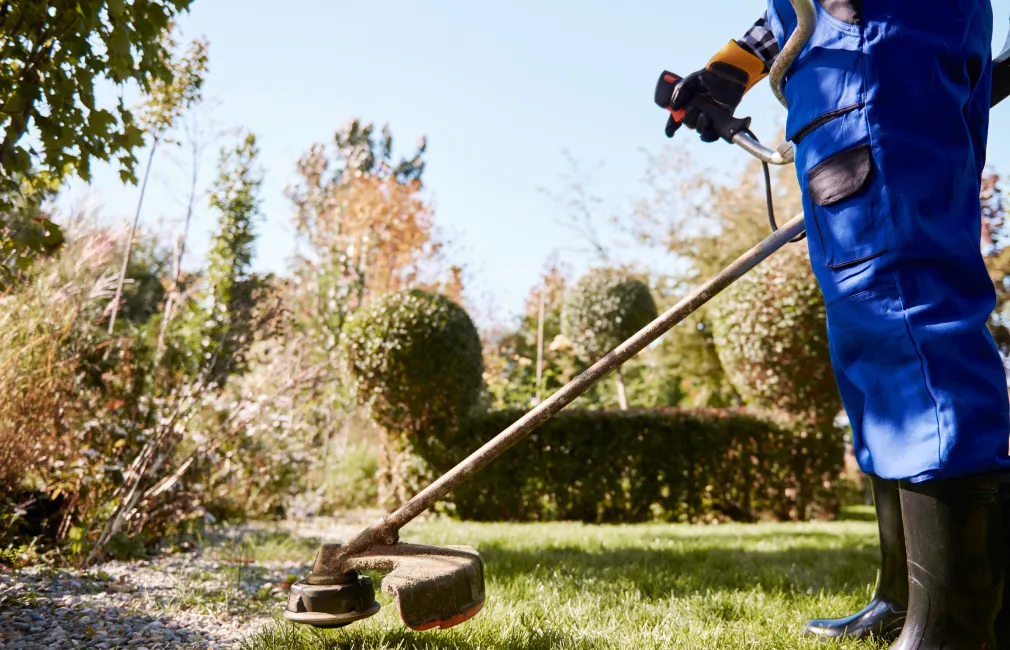
Winnetka Lawn Renovation Types

Sod Installation
-
Overseeding
-
Aeration and Dethatching
-
Soil Amendment
-
Weed and Pest Control
-
Grading and Drainage Solutions
-
Native Plant Integration
Our Lawn Renovation Process
Site Evaluation
Soil Preparation
Seeding or Sodding
Watering and Fertilization
Ongoing Maintenance
Why Choose Winnetka Landscape Services
-
Winnetka Homeowners Trust Us
-
Expert Lawn Maintenance
-
Reliable Seasonal Cleanup
-
Competitive Pricing
-
Professional Team
-
Satisfaction Guarantee
-
Personalized Service
Contact Winnetka's Department of Public Works for Renovation Debris Disposal & Soil Amendment Materials
Proper management of renovation debris is essential for both environmental compliance and community standards in Winnetka. The Department of Public Works oversees seasonal yard waste collection, accepting old sod, thatch, and organic debris in biodegradable paper bags or loose piles, in accordance with the Illinois yard waste landfill ban. For bulk soil, rock, or construction material disposal, residents can utilize the Transfer Station/Recycling Center, which operates on set hours and may require permits or fees for large loads. Finished compost for soil amendment is available through municipal and regional composting programs, with bulk delivery options for larger projects and seasonal quality specifications. Specialized disposal, such as for contaminated soil (potential lead or hazardous materials), requires coordination with the Health Department and may involve environmental site assessment and Illinois EPA protocols. During renovation, debris must be staged securely to prevent migration to storm drains, with temporary erosion controls and neighbor notification for large projects.
Winnetka Public Works Department
1390 Willow Road, Winnetka, IL 60093
Phone: (847) 716-3568
Official Website: Winnetka Public Works Department
Comprehensive Site Assessment & Soil Testing Requirements for Winnetka's Prairie Clay & Glacial Till Soils
A thorough site assessment is the foundation of successful lawn renovation in Winnetka, where prairie clay and glacial till soils predominate. Mandatory soil testing through the University of Illinois Extension Plant Clinic provides analysis of pH (typically 6.0-7.5, often slightly alkaline), nutrient levels, organic matter (often low in disturbed sites), and heavy metals—critical for older properties. Use the USDA Web Soil Survey to identify local soil series, which are often heavy clays with moderate to poor drainage and seasonal water table fluctuations. Diagnostic protocols include:
- Thatch depth measurement (renovation needed if >0.5 inches)
- Soil compaction testing (penetrometer or screwdriver test)
- Drainage evaluation (percolation testing)
- Grass species and weed analysis
- Slope and erosion assessment
Infrastructure review includes underground utility location via JULIE (811, 48-hour notice), irrigation system evaluation, and drainage system inspection. For major grading or system changes, coordinate with the Building Department.
Winnetka Community Development Department
510 Green Bay Road, Winnetka, IL 60093
Phone: (847) 716-3520
Official Website: Winnetka Community Development Department
Winnetka Environmental Compliance Requirements for Major Lawn Renovation Near Protected Areas
Environmental stewardship is central to lawn renovation in Winnetka, especially near Lake Michigan, Skokie Lagoons, and local wetlands. Major soil disturbance within buffer zones of these areas requires permits and coordination with the Illinois Environmental Protection Agency and Illinois Department of Natural Resources. Key requirements include:
- Erosion control (silt fence, mulch, or compost filter socks for clay soils)
- Buffer zone management and setback compliance
- Seasonal restrictions to protect wildlife (April–July for ground-nesting birds)
- Habitat assessment and rare species consultation
Immediate stabilization (temporary seeding, mulching) is required during establishment, with oversight from local conservation officers. For significant grading or landscape changes, consult the Planning Department for zoning and permit compliance.
Winnetka Planning Department
510 Green Bay Road, Winnetka, IL 60093
Phone: (847) 716-3520
Official Website: Winnetka Community Development Department
Integrated Renovation Methods: Dethatching, Aeration, Soil Amendment & Establishment in Winnetka
A science-based renovation sequence ensures long-term lawn health in Winnetka’s challenging clay soils. Begin with selective or complete removal of existing vegetation based on site assessment. Incorporate soil test results to plan amendments—add lime or sulfur for pH adjustment and 2–4 inches of organic matter, working it into the top 6–8 inches to improve clay structure. Dethatch if thatch exceeds 0.5 inches, and perform core aeration to relieve compaction, which is common in local soils. Use equipment rated for heavy clay, and follow safety protocols including PPE. Seed application can be broadcast or slit-seeded (effective for clay), followed by mulch for erosion control. Coordinate timing with National Weather Service Chicago forecasts—late August to mid-September is optimal, with spring as a secondary window. Establishment protocols include:
- Seeding at 4–6 lbs/1,000 sq ft
- Immediate, frequent watering
- Mulching for moisture retention
- First mowing at 3–4 inches
- Timed fertilization and transition to maintenance
Sod vs. Seed Selection for Winnetka's Climate Zone 5b & Environmental Conditions
Winnetka is in USDA Hardiness Zone 5b, with hot summers and cold winters, making species selection and establishment method critical. Sod offers immediate coverage and erosion control, but is costlier and requires intensive watering during establishment—especially challenging in summer. Seed is more economical, allows for greater species diversity, and is best sown in late summer or early fall. For clay soils, ensure good soil contact and select:
- Tall fescue blends (drought-tolerant)
- Fine fescue mixtures (shade-tolerant)
- Perennial ryegrass (high-traffic)
- Kentucky bluegrass (traditional, but less clay-tolerant) Consider native grasses for sustainability and pollinator support, aligning with Illinois Monarch Project goals. Evaluate sun/shade, drainage, and maintenance expectations, and coordinate with municipal water conservation initiatives. For more on species and establishment, consult the University of Illinois Extension.
Winnetka Water Management Guidelines & Municipal Permits for Renovation Projects
New lawn establishment in Winnetka requires careful water management, overseen by the municipal water department. Guidelines recommend light, frequent irrigation (2–3 times daily for 5–10 minutes) during the first 2–4 weeks, transitioning to deeper, less frequent watering. Seasonal water restrictions may apply, but exemptions are often available for new lawns. Installation of irrigation systems requires permits from the Building Department, including electrical permits for pumps and mandatory backflow prevention device installation and testing. Efficient irrigation systems with rain sensors are encouraged, and rainwater harvesting may be integrated where feasible. Long-term management includes seasonal adjustment of watering schedules and alignment with municipal drought management plans.
Winnetka Water and Electric Services
1390 Willow Road, Winnetka, IL 60093
Phone: (847) 716-3558
Official Website: Winnetka Water and Electric Services
Post-Renovation Stormwater Management in Compliance with Winnetka's NPDES Program
Stormwater management is regulated under the federal Clean Water Act and Illinois EPA’s MS4 program, with local enforcement in Winnetka. Immediate soil stabilization (within 24–48 hours) is required after disturbance, especially on slopes over 10% or in clay soils prone to erosion. Best management practices include:
- Staging materials on pervious surfaces away from storm drains
- Installing sediment barriers (silt fence, compost socks)
- Seeding and mulching exposed areas promptly
- Temporary erosion control during storms These measures protect local waterways, such as the Skokie Lagoons and Lake Michigan, and support green infrastructure initiatives. Large projects may require reporting, inspection, and timely correction of violations, with oversight from local and state agencies. For more, see EPA NPDES and U.S. EPA Region 5.
What Neighborhoods Do We Serve Throughout Winnetka, IL?
Winnetka’s neighborhoods each present unique renovation challenges:
- Hubbard Woods: Heavy clay soils with moderate drainage, mature tree canopy creating shade, and historic district requirements for landscape changes. Narrow streets require careful equipment access and neighbor coordination.
- Indian Hill: Well-drained glacial till soils, but high underground utility density necessitates strict JULIE compliance. Larger lots allow for more extensive renovation, but irrigation systems may be older and require upgrades.
- East Winnetka/Lakefront: Fine-textured soils with high water tables and proximity to Lake Michigan, requiring strict environmental compliance and buffer management. Floodplain considerations and seasonal wind exposure affect establishment.
- Crow Island: Urban compacted clay soils, moderate drainage, and active homeowner associations with aesthetic standards. Alley access is common, impacting equipment logistics and debris staging.
- The Pines: Mixed clay and loam soils, moderate drainage, and established landscaping. Community involvement in sustainability initiatives is high, and integration with municipal tree management is important.
- West Winnetka: Poorly drained clay soils, frequent seasonal flooding, and older infrastructure. Drainage improvements and erosion control are critical, with maintenance challenges due to water restrictions.
- Northfield Border: Transitional soils, variable drainage, and proximity to natural areas requiring environmental review. Equipment access may be limited by narrow lots and mature landscaping. Each area requires tailored assessment, regulatory compliance, and community coordination for successful, sustainable renovation.
Winnetka Municipal Ordinances for Renovation Equipment Operation & Commercial Service Standards
Winnetka enforces municipal ordinances governing renovation equipment operation and commercial service standards to protect public safety and community quality of life. Equipment operation is restricted to designated hours (typically 7 a.m. to 7 p.m. on weekdays, with limited weekend hours) to minimize noise. Commercial service providers must be licensed and insured, and all major renovation projects require permit coordination with the Building Department. Public right-of-way use, debris containment, and traffic safety measures are enforced, especially in neighborhoods with narrow streets or high pedestrian activity. Compliance with these standards ensures safe, orderly, and community-friendly renovation practices.
Winnetka Building Permits and Construction
510 Green Bay Road, Winnetka, IL 60093
Phone: (847) 716-3520
Official Website: Winnetka Building Permits and Construction